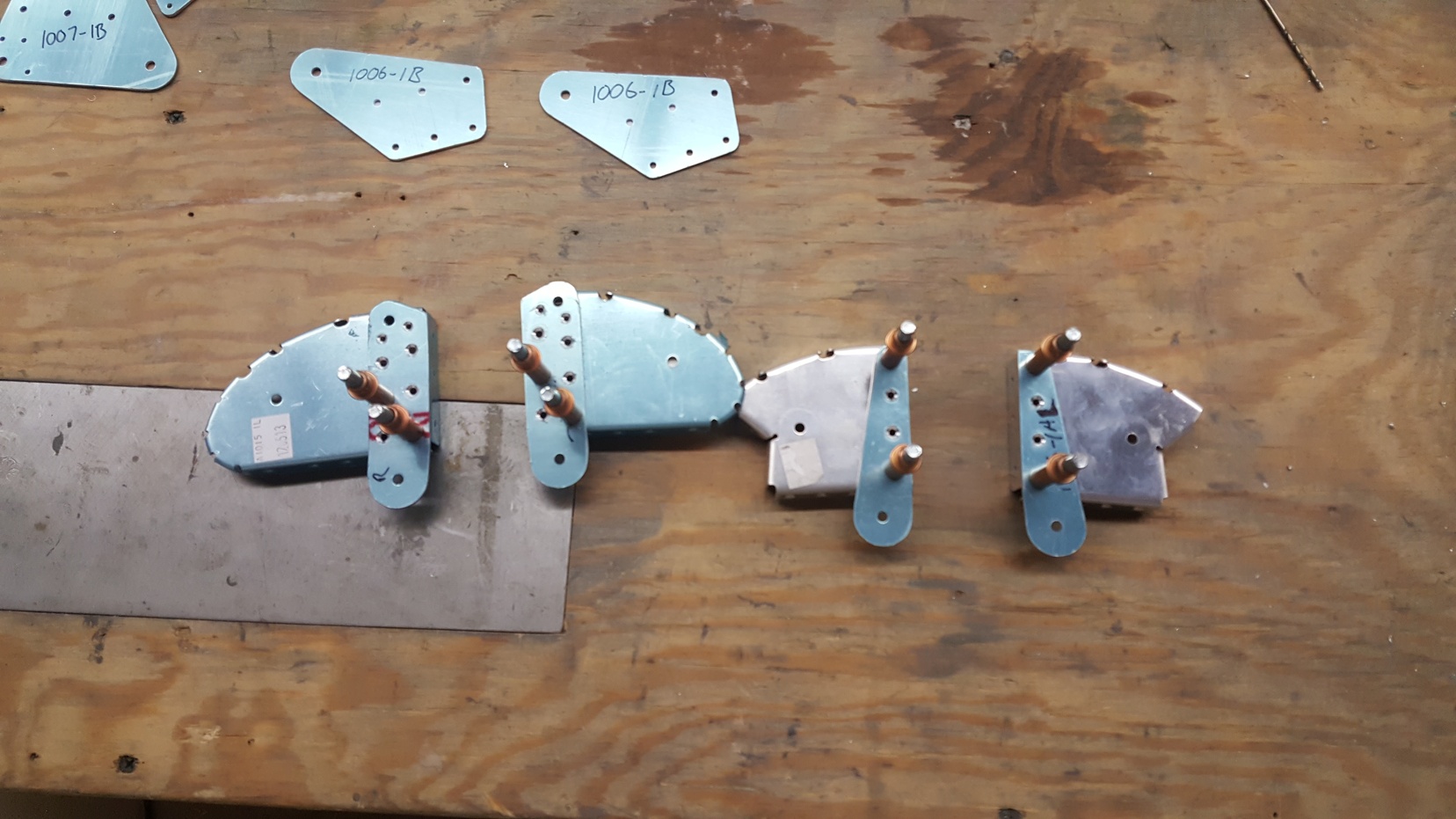
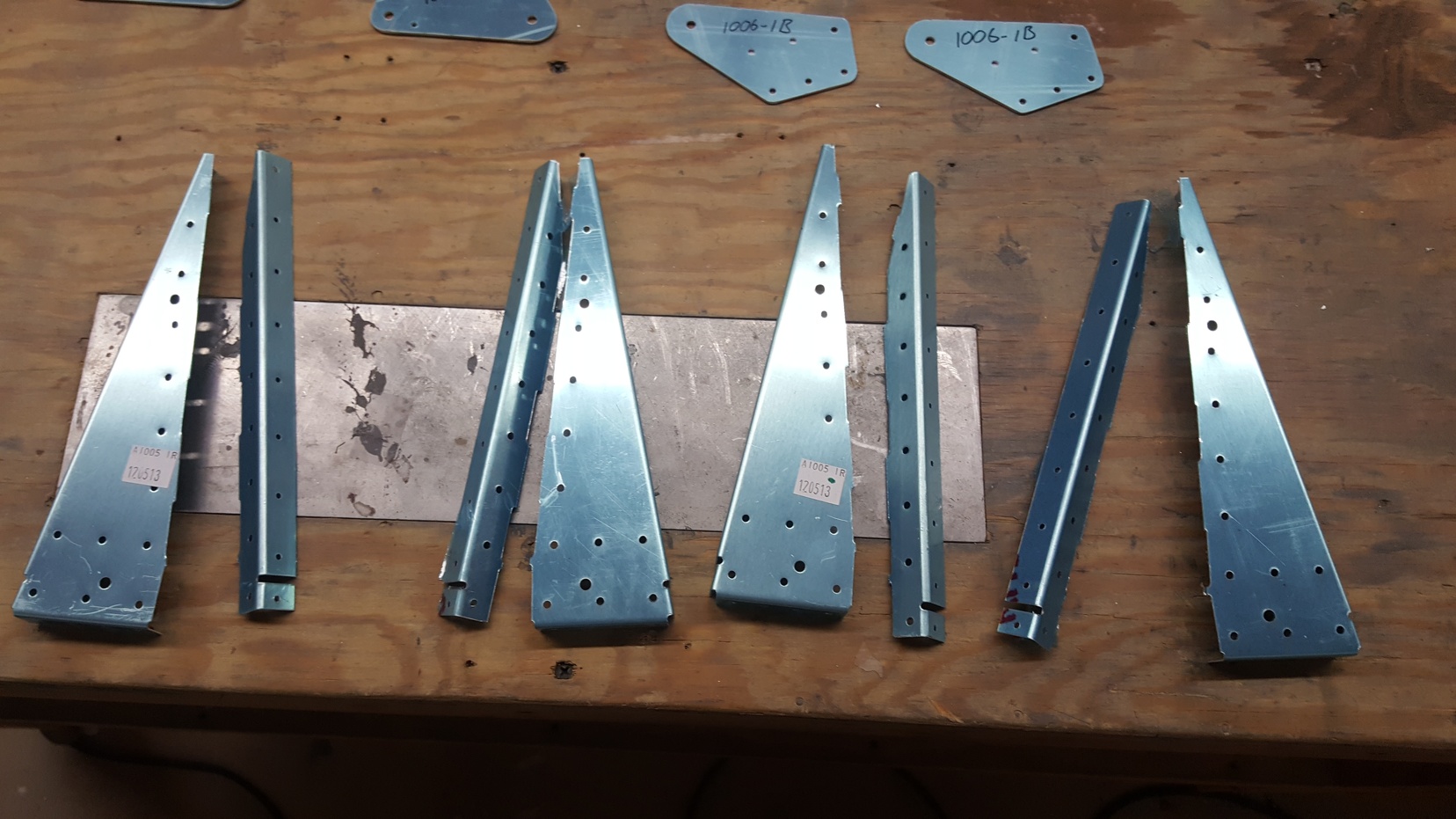
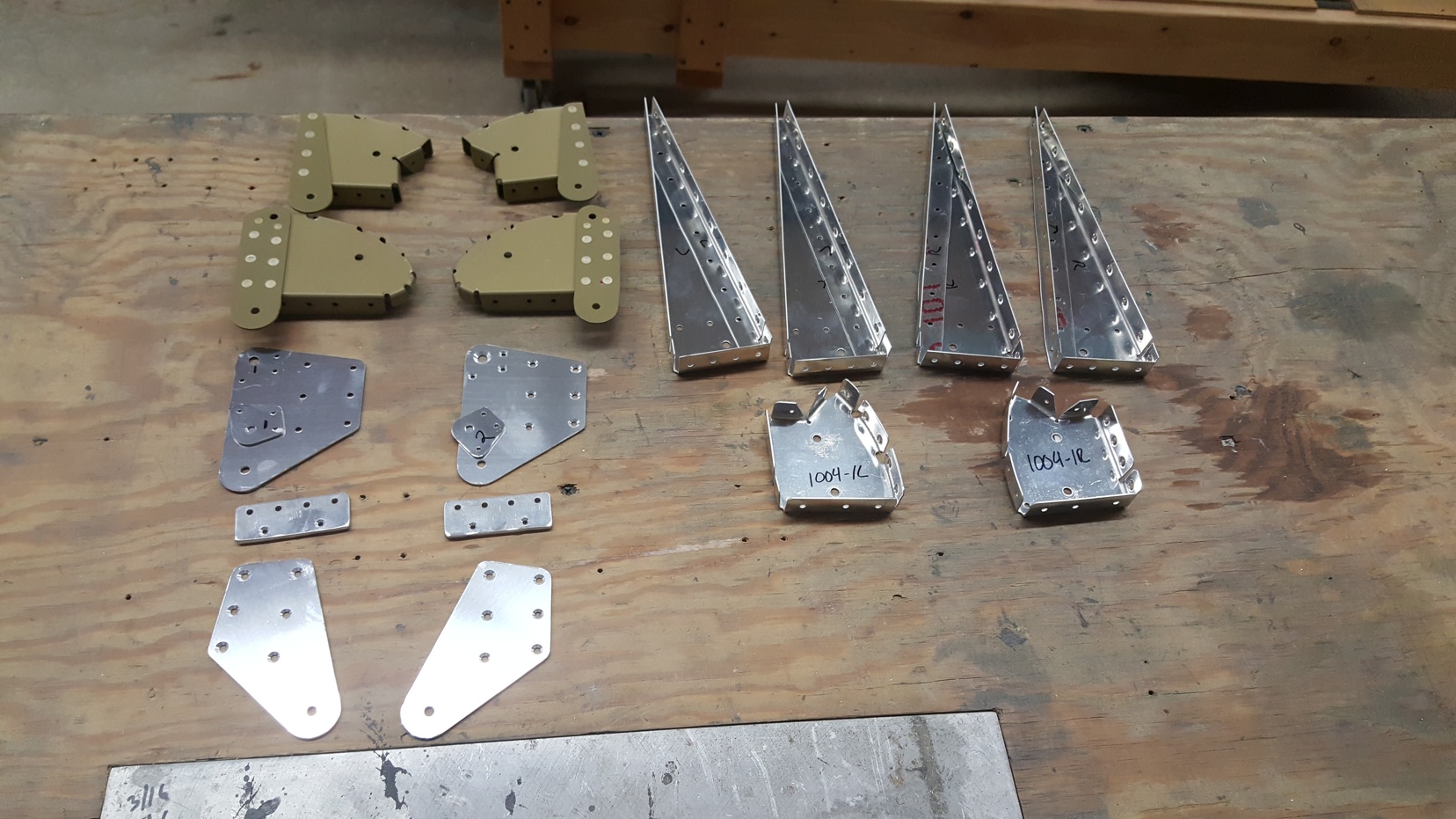
So I still haven’t received any of the parts that I had ordered a couple weeks ago. So I didn’t really get to do much this week. I’m kind of frustrated by that but there’s not much I can do about it. I ended up finishing the proper rivets on the right side aileron control bracket in the meantime.I ended up using my rivet gun and a punch to help drive out the rivets. That made my life a million times easier.
Since I was kind of basically at a pause, I ended up working on some organizational stuff. I made some 3D printed wall hanging brackets using the Opengrid system and tested those out and those worked out pretty good. I also made a jig to hold my Pitot tube so that I can easily drill the holes to hold the Pitot into it.I don’t need to order some shorter 632 screws to get the Pitot to stay into the mast.
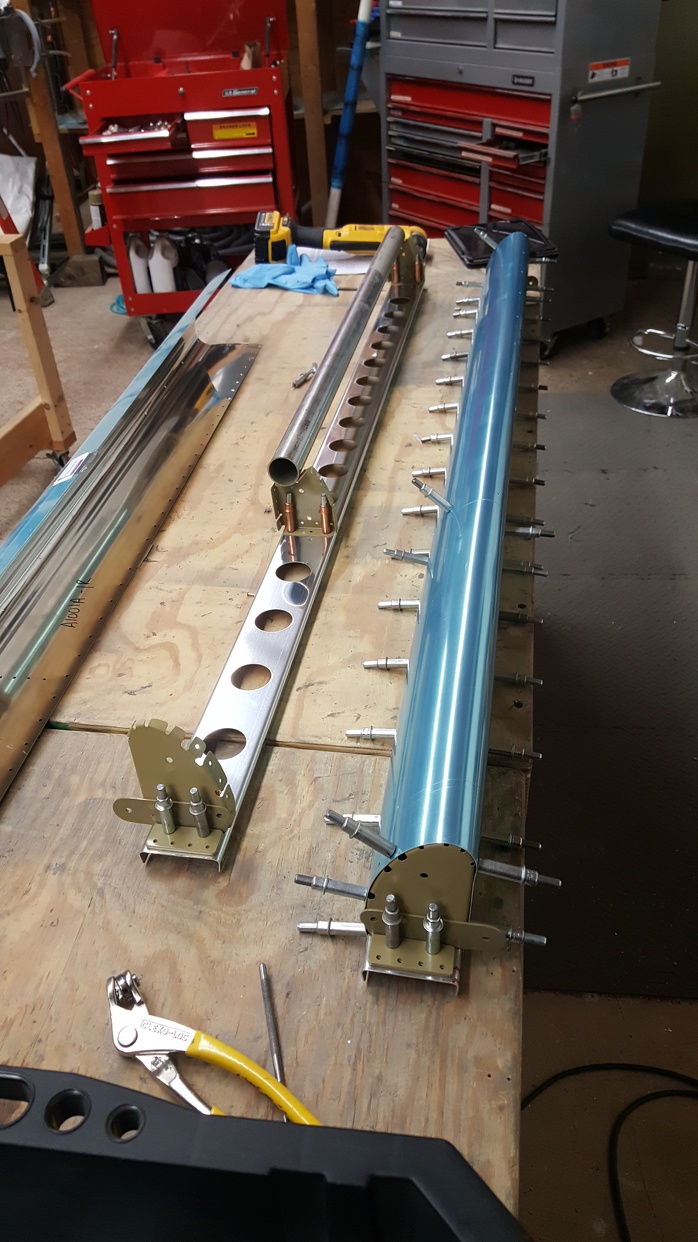
Last thing I ended up doing this week was just pulling all the parts for the aileron actuation system and getting that ready so that I can at least get it put in there and see how it all fits. I can make sure that where I put the Pitot controller is not going to interfere with anything. I had the privilege of discovering that the plans call out for a part titled WD-1014C but that part does not actually exist as a part you need to make. The plans do not reference that. It turns out that it’s a piece of 7/8″ pipe that is approximately 22 inches long.
Also I discovered that my Clickbond fasteners got delayed another three weeks. They were supposed to ship on Friday and now it says that they’re gonna be shipping on the 21st.
This week I received some parts that I ordered last week, including:
a replacement trailing edge
some rivets for the service bulletin I needed to fix, which I promptly lost
and parts for a service bulletin that I didn’t order last time
So this week I started off by taking the aileron off the left wing and relocating the clip that I had talked about last week. After that I started drilling out the rivets to put in the correct rivets for the service bulletin for the aileron hinge. This is where I promptly discovered that I had lost the rivets that I had just received. I ended up ordering some new ones from Aircraft Spruce and I also ordered some wire at the same time. While I was waiting I ended up putting all the exposed wiring into some wire loom so that I didn’t have to worry about it rubbing on things and getting torn open and causing a potential short
So the next day the wire came in with the rivets that I needed so I ended up replacing the landing light wire that I had originally run. It was number 18. I replaced it with number 14.For some reason I started to really read into what I had chosen and I don’t know why. I went with number 18. Everything for these particular lights said to use number 14 that I could find, mainly because they are HID lights and they’re not LED. I might end up changing these out for some LED ones if I could find a ductworks compatible lamp but that’s to be seen in the future. I just put connectors on them and I believe I called it a night for that day.
So I also worked on 3D scanning the NACA ducts that came with the kit so that I can put them in the rear tail cone of the airplane when I’m ready for doing that. I also came up with some AI-generated paint skis and I’m going back and forth between, I believe, the first one and the third one but I’m open to suggestions.
This week I started off by designing a little jig to hold the VA-140 training wing edge so that I could make sure that I was just working on a nice smooth flat surface. Once I got to the shop, I went straight to town on one of the VA-140s that I had to work on and got that all drilled out.I did pick up that I need to make some modifications to the design because the chips were getting in the way so I’m going to add some holes to this jig for when I do the flaps.After making sure the holes were the correct size and countersinking everything, I used some VAB tape to hold it to the inside of the aileron. This is definitely way easier than using pro-seal.Once I got everything cleco’d, I pretty much ran out of stuff to do because I’m just waiting on things. I decided that I was going to add an outlet near my drill press. That took quite a bit of time but I’m glad that it’s done.
On Monday the mailman quickly dropped off my delivery from Cleveland Tools with the trailing edge squeezer set so I went to town and got the trailing edges of the ailerons all squeezed in. This was a great purchase. I’m really glad I purchased this. I wish I had it when I was working on the elevators and the rudder. While working on the second aileron for some reason, and I don’t know why, the skin would just pop up on the last three rivets. It just wasn’t looking good so I decided to drill out all the rivets and I ended up having to replace this one particular piece of trailing edge. It looks a heck of a lot better than it was originally going to.
Once I had the ailerons done, I started mounting them into their final positions and using the hardware. I was hoping that it would force something away from another spot because I was having rivets that were hitting the inside of the ailerons. I just assumed that it was a washer issue. I ended up pulling up the service bolt for the aileron bracket and discovered I had used the wrong rivets. I ended up having to order some rivets and drill them out and just redo it.
Since I was back to not having anything else that I could do, I decided to extend our airline from the loop over to the drill press so that I can have an air hose over there. This is definitely a nice thing to have right next to the drill press.Later that day I ended up getting a nice box from UPS that said Dynon all over it. I opened that up and had my Dynon heated Pitot and my Autopilot servos had come in. That was nice. I ended up putting Deutsch DT connectors on the servos and the Pitot.
The next day I came back and pretty much didn’t really have much I could do other than trying to figure out the Pitot heater controller situation. Some of the ideas that I was able to come up with were:
Installing some 6-32 rib nuts into the main spar but I’m going to have to call Vans to confirm that I can do it
I also checked with one of the Facebook groups and some people had suggested using click bond fasteners.
I’ve also had suggestions on mounting it to the wing ribs, but I haven’t seen any decent ways that I really liked that I thought would be easy to remove the controller if I ever had to.
Some people mentioned mounting it to the access panel, which I’m not sure if I’m a fan of that either but we’ll see how that goes.
I had also developed some 3D printable conduit clips that I printed with PA12-CF. I took some time and installed all the clips and then ran my RF conduit. I ended up discovering after I ran the RF conduit that I put it too close to the top skin and that was going to interfere with some of the control linkage for the ailerons. I was able to move that one clip to the opposite side of the wing rib and it created enough room.
This week was mostly about finishing up the ailerons, plus a 3D printing side project and a little excitement courtesy of Mother Nature.
The storm that kept me home on the 4th dropped a tree at the shop. The branch broke off about 25 feet up and managed to land directly on the main disconnect switch, killing power to the whole building, so the generator ran a good 12+ hours for absolutely no reason, and got knocked off its pad in the process. All things considered we lucked out, because that tree was on track to do real damage to the building. Now I just have to clear it all out, and I’m sure wood chipper rentals will be astronomical this week.
So I started this week by continuing work on the right aileron, I was struggling trying to get the rivets that hold the topskin ribs to the spar. I tried every tool that I had, which would only not fit or would only hit part of the shop head, so I really struggled with this. None of my tools would really fit into the gap on one side but I did find one of my bucking bars of wood. I ended up reversing the flow of the rivet and I was able to make it work.Once that was completed I was able to rivet on the bottom of the skin. I’d also countersunk the trailing edge wedge but I didn’t have any pro seal as I was still waiting for that to come in. I’ve discovered since I started this project that VHB tape tends to be the way to go. I had ordered some of that and that came in during this week and I was able to get that on pretty quickly. While double-checking on how to squeeze those rivets I discovered that there is a rivet tool that is now available that I could use so I got that on order and that should be here sometime next week.
Since I was pretty much at a standstill with that particular aileron, I decided that I was gonna go through a couple steps ahead and figure out what I needed for hardware. I just kind of set them aside so that everything was there and I didn’t have to worry about finding them later.
I did struggle to find some washers and two of the screws that I needed. After I was reviewing the parts list, I was like, “There’s no way that I’m missing this many washers.” It turns out I’m just blind and stared right at them and didn’t even realize it.
Also this week I ended up ordering the Quick Build fuel tanks and a skin for the, I think it was, the right bottom wing skin that I had damaged earlier in the week. Since I had to order all those parts, I figured I might as well order the screws that I needed as well.I also ordered some tank sealant and two tank repair kits because I’m pretty sure I’m going to have to cut open the top tank so that I can install a fuel return line as well as possibly swap out the fuel cap. I won’t know until that actually shows up.
Also this week I found some extra conduit that was laying around for my coax runs that I wanted to do and I did not want to drill holes into the wing ribs anymore. Now that I own multiple 3D printers, I ended up designing some mounting clips that would work and the conduit snaps right in and holds pretty well.I ended up designing these originally in PLA but I knew that wasn’t going to work for the long-term solution just due to temperature and the fact that it’s going to hold stuff for the life of the aircraft. I debated going back and forth between ASA PA6 and PA12. Ultimately I settled on PA12 since it absorbs the least amount of water and I believe has the highest temperature rating out of them. Although I think PA6 might have a bit higher rating. PA6 tends to absorb a lot more water and in theory could eventually bend over time and drop the conduit.
Also this week I received a package from Vance Aircraft. I had ordered a bunch of service bulletin’s kits two or three weeks ago, and that had finally shown up. I went through that and set it off to the side. Fortunately some of the biggest of the service bulletins in there are part of the fuselage project, which I haven’t even started yet, so that will save me some rework time.
Since I was once again at a standstill and I really had nothing I could do, I ended up working on the left aileron. I ended up just making sure I had match drilled everything. I took it apart for the 70th time or so and did all the typical dimple, deburr, sand, acid, and ash. I ended up priming it. I forgot how heavy that squeezer gets after a while. My arm was just killing me.
I was also running into an issue with my 1/2-inch die. I don’t know what it was but for some reason it would always get stuck in the press arm to the point where I would have to take it off, put it in a vice, and use a punch and beat the crap out of it to get it out of there. I just tossed it and ordered a new one.So I ended up finishing the day by effectively finishing the left aileron. Top and bottom skins are all riveted on. The only thing I really have left to do is dimple the trailing edge or countersink the trailing edge and secure that. Once the tool comes in, I can also rivet that together as well.And right as I got done doing that, Miss Daisy stopped by to inspect my work, even though she has her own bed in the shop. She tends to hang out on her favorite couch up in the lobby so it was nice to see her stop by and visit.
Once the ailerons are wrapped up, the flaps are next. I really don’t want to start those until I have everything else done prior to this. I’m not really so worried about the service bulletin aspects yet because to get to the elevators it’s going to be a huge hassle for me. I might do those parts before I start doing the fuselage. I want to make sure that everything that I had skipped forward is now brought up to date and that I’m actually supposed to be starting the flaps before I actually start doing the flaps.
Also I’ve been doing the YouTube videos where I just kind of do a summary of my week or just a recording of everything that I’ve been doing all week and breaking it down. I don’t know if I will continue doing it on a weekly basis or if I will just do it on a per-section basis, like section 22 flaps, section 23, whatever that may be. I don’t know maybe I’ll just do a mixture of both where I do it once a week but I just make sure I stick to one area at a time.
This week I got the first of the bottom skins riveted on the left wing and made a start on the ailerons.
Before riveting the bottom skins I marked up all the rivet callouts with sticky notes and a highlighter so I could tell at a glance which rivet goes where. This made the whole job much easier and I’d recommend it. Riveting went slow at first while I got the hang of it again. I checked every rivet with the gauge until I trusted my technique, then just spot checked each row after. A few had to be drilled out and replaced, and a couple holes earned oops rivets, but overall the first skin came out great. It took several sessions spread over a few days thanks to the heat.
I’m holding off on the outboard skin because my pitot heat controller hasn’t arrived yet, and it mounts right in that area. Getting to it after the skin is on looks like a pain, so that side waits.
When I pulled the skin off the other section, I found my long-lost tape dispenser and a pair of pliers living inside the wing. So that’s where those went. After cleaning everything out, I confirmed the autopilot bracket was already swapped in, so nothing was stopping me from riveting this section.
Then came the big one. While drilling out a rivet I didn’t like, the bit slipped and punctured the skin. Way too big, so that skin is getting replaced. Fortunately I had only done the top row of rivets, and it’s the smaller of the two skins. I also decided to order the quick build fuel tanks this week, so the replacement skin goes on the same order and saves me shipping. I nicked the rear spar getting the rivets back out, I think it’s fine, but I may add a doubler on the back side with longer rivets for peace of mind.
With that on hold, I moved to the ailerons. I tore the right one apart thinking I had skipped steps, but it turns out I just never checked them off in the plans — so I got to reassemble and match drill it all over again. Countersunk the #30 holes in the leading edge and found the counterweight was already prepped from whenever past-me last touched this thing. Then it was the usual wash, acid etch, and prime routine. At 100 degrees outside the primer was drying about as fast as it hit the parts.
A tip for other builders: I got tired of mentally flipping the plans while working on the right aileron, so I downloaded the PDF and mirrored the pages. Now the drawing actually matches the part sitting in front of me. Wish I’d thought of this a long time ago.
I got the ribs riveted to the spar and the top skin riveted on minus one rib I had to drill back off because its tab was facing the wrong way, which I of course noticed only after half the skin was riveted. The last thing standing between me and a finished right aileron is tank sealant, which I can’t order until Monday. I need a batch anyway for when the quick build tanks show up, since I’ll likely be opening those up to sort out the fuel caps and add a return line for my fuel injection.
While waiting on primer to dry I also started a shop upgrade: mounting a cord reel in the corner that has no usable power. There’s still a conduit running back to the panel, so a junction box and a new outlet will finally fix that.
I wasn’t really sure where I was going to start today. I ended up doing some organization and tried to put some inserts into my binders to help me easily find where I could find the different sections in the plans, but those inserts were too small so that idea got scratched pretty quick.
After that I decided that I was going to start looking over the fuel tanks to see what needed to be done and find all the parts. I ended up pulling the plastic off of one of the tanks and discovered that there were some massive gouges and some dents in the tank that I wasn’t too thrilled about. I ended up trying to figure out how much it would cost to get some new skins and just saw that Vans is now selling a pre-built tank option. While it’s pricey, I might as well just do it because I would be able to get past this step and really just move it forward with this project.
After I did that I started to clean off my left wing and ended up blowing a whole bunch of dust out. It actually made a dust cloud in my warehouse. I then started looking to see what I needed to do to start getting the skins on. I ended up riveting one of the mounting brackets for the pitot static mount, did some more research, got that done, hung the skins back onto the wing, and decided to call it a day.
During my research I discovered that there were some service letters that talk about replacing parts so now I go see if there are additional kits that I missed when I was ordering service bulletin parts the other day and get those ordered. While doing that I also looked into purchasing the engine and the prop since there’s apparently some lead time on that. That sounds like a problem for tomorrow to figure out.
It’s been a while. If you look back at my last post on this site, the last real update is old enough that I’d rather not put a number on it. So let’s just say life happened, a lot of it and leave the gap to your imagination.
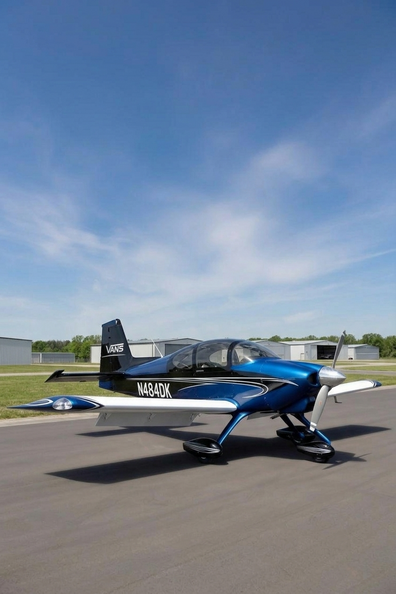
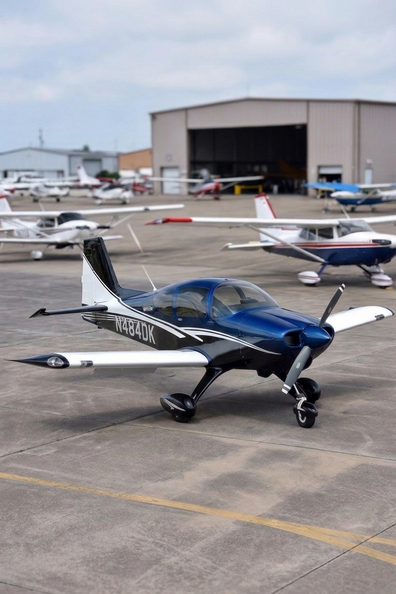
Here’s the headline though: I still have the project. The RV-10 never went anywhere. It’s been sitting patiently, waiting, while the rest of my life turned into one long series of plot twists. And I’m finally getting back into it.
So let me catch you up on the detour.
Somewhere in there, I bought a house and walked straight into a remodel I can only describe as a nightmare. The kind where every wall you open up hands you three new problems. It ate time, money, and most of the energy I’d otherwise have spent out in the shop.
In 2018, I bought a Piper Arrow (PA-28R-201). Owning a flying airplane while you’re building one is either the smartest or the dumbest thing you can do, depending on the day but it kept me in the air and kept the dream honest while the RV-10 waited.
In 2020, I bought another house. And, because apparently I don’t learn, I remodeled that one too. About six months after I finally finished it, a hurricane rolled through and flooded the place. All that work, underwater. That one stung.
In 2021, I started another business which is its own full-time adventure and a big part of why the build went quiet.
In 2023, that business had grown enough that I bought a commercial building, twice the size of the one I’d been renting. Good problem to have, but not exactly the kind of thing that frees up your evenings.
And now finally the dust has settled enough that the RV-10 is back at the top of the list. The shop’s sorted (relatively), the business is on solid ground, and I’ve got no more excuses. Time to make some chips and rivets again.
One thing I’m doing differently this time: I’m going to keep the updates regular, and most of them are moving to video. You can follow the build on YouTube at rv10daviid shop sessions, problem-solving, the wins and the inevitable head-scratchers, all of it including other adventures. I’ll keep posting here too, but if you want to ride along in real time, that’s where to find me.
Thanks to everyone who’s stuck around through the radio silence.
Today I started off by scruffing, cleaning, and priming the parts I left off with yesterday. I apparently forgot to take some pictures but not big deal. While those parts were drying, I started the leading edge portion of the ailerons. This was pretty simple, just alot of cleco work. Taking apart and reassembling several times over. I finished up for the night with the drilling of the #30 holes on the leading edge.
Today I came in finished priming the bottom wing skin parts that I had yet to finish. Didn’t have to spend much time here.
Next I decided to go ahead and start working on the ailerons since I have YET to finish the fuel tanks. Might as well keep chugging and keep the motivation train going. I probably spent a good hour here, just looking for parts that were 3 feet away from me. On top of my instruction book. It is amazing how easily things disappear when you look everywhere else. This first page went really quick, I was able to cut, debur, drill, counter sink, sand, & prime pretty quickly.
Once these parts were dry, I quickly riveted them together. I did have a hard time locating the nutplates. I searched through the parts list about 5 times, search on vansairforce to see if anyone else had them. Priced them out on aircraft spruce, and finally sat down to eat my pizza that got delivered and the part # jumped at me on the page that was open. They are in bag 1219 if you run across the same issue I did.
Next I began by cutting the aileron ribs. the ailerons only have 2 on each, one on each end. the rest are actually just stiffeners.
Next I dimpled all the holes I could as requested by the plans. I noticed here that the plan steps do not mentioning dimpling the #30 holes, but one of the figures calls for a 120* dimple. I ended up ordering #30 120* dimple set from Cleveland Aircraft tools. I was ready to call it a night when the plans said I could primer everything. so I cleaned everything up.
Over the last couple weeks I drilled & deburred the skins. I also made the hole for the pitot tube and match drilled the stiffener to the skin. This week I worked on dimpling the skins and the ribs. I still have one wing worth of ribs to dimple, plus a couple of holes on the other that I couldn’t get with my squeezer. I haven’t taken any photos lately. Perhaps tomorrow.